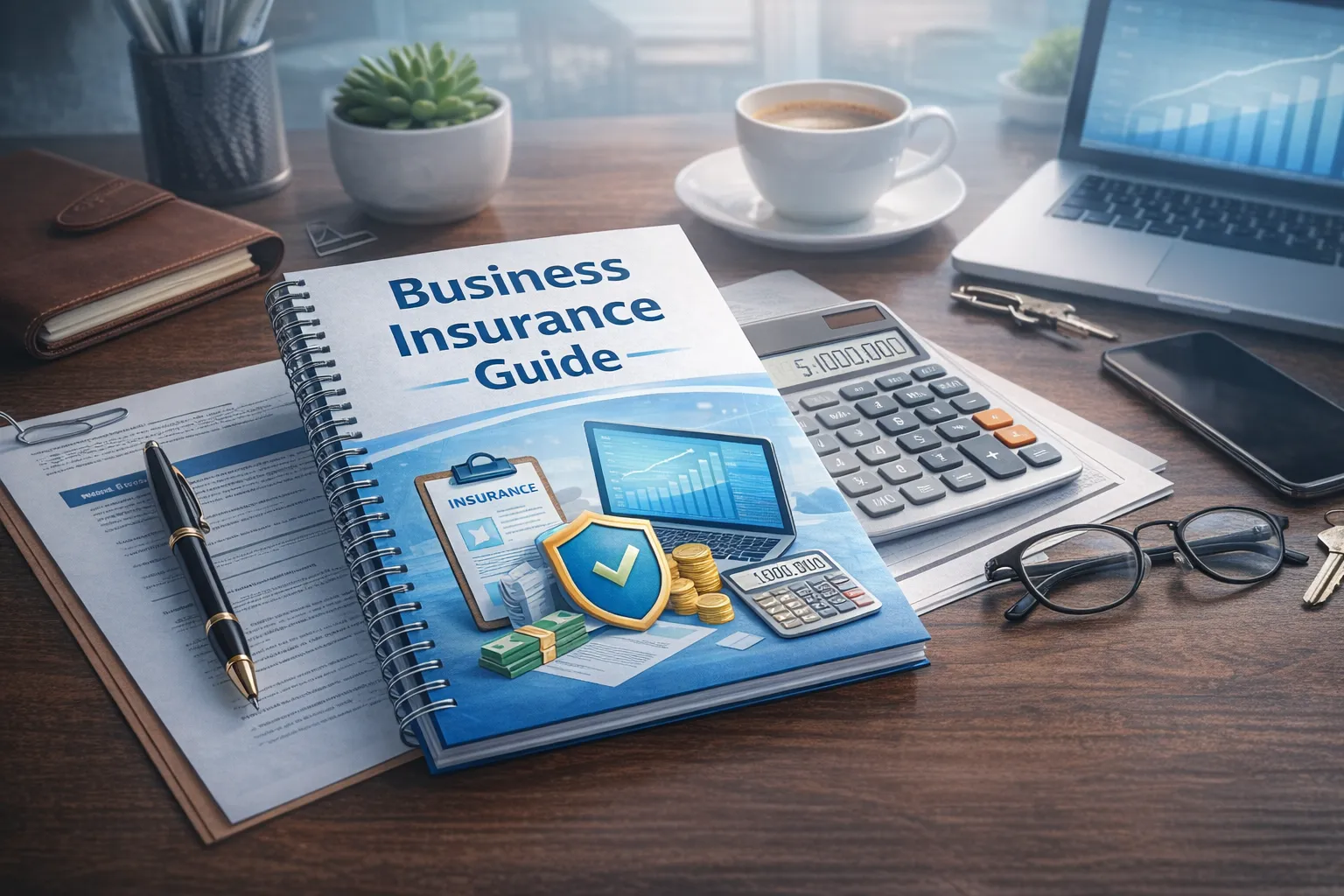
Navigating the Complexities of Business Insurance: An Essential Guide for Small Enterprise Protection
Navigating the Complexities of Business Insurance: An Essential Guide for Small Enterprise Protection
Navigating the Complexities of Business Insurance
A practical guide to understanding how insurance protects small businesses from financial risk and unexpected events.
Protecting your company starts with understanding the right coverage options. This guide explains the essential insurance solutions that help small businesses manage risk and maintain stability.
 Why Business Insurance Matters
Running a small business involves many responsibilities and potential risks. From property damage to legal claims, unexpected events can disrupt operations and create financial strain.
Business insurance helps companies manage these risks by providing financial protection and support when challenges arise.
Key benefits include:
- Protection against financial loss
- Coverage for liability claims
- Support for property damage or interruption
- Greater long-term business stability
Common Types of Business Insurance
General Liability Insurance
General liability coverage protects businesses against claims involving bodily injury, property damage, or advertising disputes.
Typical protection includes:
- Customer injuries on business premises
- Property damage caused by operations
- Legal defense costs
Property Insurance
Property insurance protects business assets such as buildings, equipment, inventory, and office materials.
Coverage may include:
- Fire or natural disaster damage
- Theft or vandalism
- Equipment loss or damage
Professional Liability Insurance
Also known as errors and omissions insurance, this coverage protects businesses that provide professional services or advice.
It may cover:
- Claims of negligence
- Professional mistakes
- Legal defense expenses
Business Interruption Insurance
Business interruption coverage helps replace lost income if operations are temporarily disrupted by covered events.
Benefits may include:
- Income replacement during downtime
- Coverage for operating expenses
- Support during disaster recovery
How to Choose the Right Coverage
Selecting business insurance depends on several factors.
Business owners should consider:
- Industry type
- Business size and revenue
- Operational risks
- Legal or contractual requirements
A qualified insurance professional can help evaluate risk exposure and recommend appropriate coverage levels.
Risk Management for Small Businesses
Insurance works best when combined with strong risk management practices.
Examples include:
- Maintaining workplace safety procedures
- Protecting digital systems and customer data
- Regularly reviewing insurance policies
- Preparing contingency plans
These steps help reduce potential disruptions and strengthen long-term business resilience.
Simple Steps to Get Started
Step 1 – Assess Your Business Risks
Identify operational and financial risks specific to your industry.
Step 2 – Explore Coverage Options
Compare different types of insurance policies and protection levels.
Step 3 – Implement a Protection Plan
Select the coverage that aligns with your business goals and risk profile.
Who This Guide Is For
This resource is designed for:
- Small business owners
- Startup founders
- Entrepreneurs and independent professionals
- Companies reviewing insurance coverage
Understanding your options helps ensure that your business remains protected as it grows.
FAQ
Do all small businesses need insurance?
Insurance needs vary depending on business type, location, and risk exposure.
What is the most common type of coverage?
General liability insurance is one of the most common policies for small businesses.
How often should coverage be reviewed?
Businesses often review insurance annually or when operations change.
Is insurance required by law?
Some forms, such as workers’ compensation, may be required depending on jurisdiction.
Disclaimer
This content is provided for informational purposes only and does not constitute legal or insurance advice. Businesses should consult qualified professionals when evaluating insurance needs.