The Ultimate Guide to Professional HVAC Repair Service: Ensuring Year-Round Comfort
Maintaining a comfortable indoor environment is more than just a luxury; in many climates, it is a necessity for health and safety. When your heating or cooling system fails, finding a reliable HVAC repair service becomes a top priority. This comprehensive guide explores everything from identifying early warning signs to the intricacies of professional maintenance, helping you make informed decisions for your home's climate control systems.
1. Understanding the Importance of Timely HVAC Repair Service
The moment your air conditioner starts blowing lukewarm air or your furnace begins making strange rattling noises, the clock starts ticking. Delaying a HVAC repair service often turns a minor, inexpensive fix into a catastrophic system failure. Modern heating, ventilation, and air conditioning units are complex machines where one failing component puts undue stress on the rest of the system. For instance, a clogged filter can cause the blower motor to overheat, leading to a much more costly replacement than a simple cleaning.
Beyond the mechanical health of the unit, prompt repairs are essential for maintaining indoor air quality. Leaking refrigerant or cracked heat exchangers can introduce harmful chemicals and gases, such as carbon monoxide, into your living space. By prioritizing a professional HVAC repair service at the first sign of trouble, you protect both your financial investment and the well-being of your family.
2. Recognizing Common Signs You Need an HVAC Technician
Before you pick up the phone, it helps to understand what "normal" looks like versus a clear cry for help. The most obvious sign is a complete lack of airflow or a system that refuses to turn on, but subtler clues often precede a total breakdown. You might notice short-cycling, where the unit turns on and off rapidly without ever reaching the desired temperature. This behavior is a massive red flag that your system is struggling to regulate its internal components.
Keep an eye (and ear) out for these specific indicators:
- Strange Noises: Squealing, grinding, or banging sounds often indicate loose belts or failing bearings.
- Unusual Odors: A musty smell suggests mold in the ducts, while a burning scent could mean electrical issues.
- Spiking Utility Bills: If your energy costs jump without a change in usage, your system is likely losing operational efficiency.
- Poor Airflow: Weak air coming from the vents points toward a failing compressor or a blockage in the ductwork.
Troubleshooting Before Calling the Pros
Sometimes, the issue is simpler than it seems. Check your thermostat batteries and ensure the circuit breaker hasn't tripped. If the system still won't engage, it's time to bring in a certified HVAC repair service professional.
3. The Anatomy of Your System: What the Repair Covers
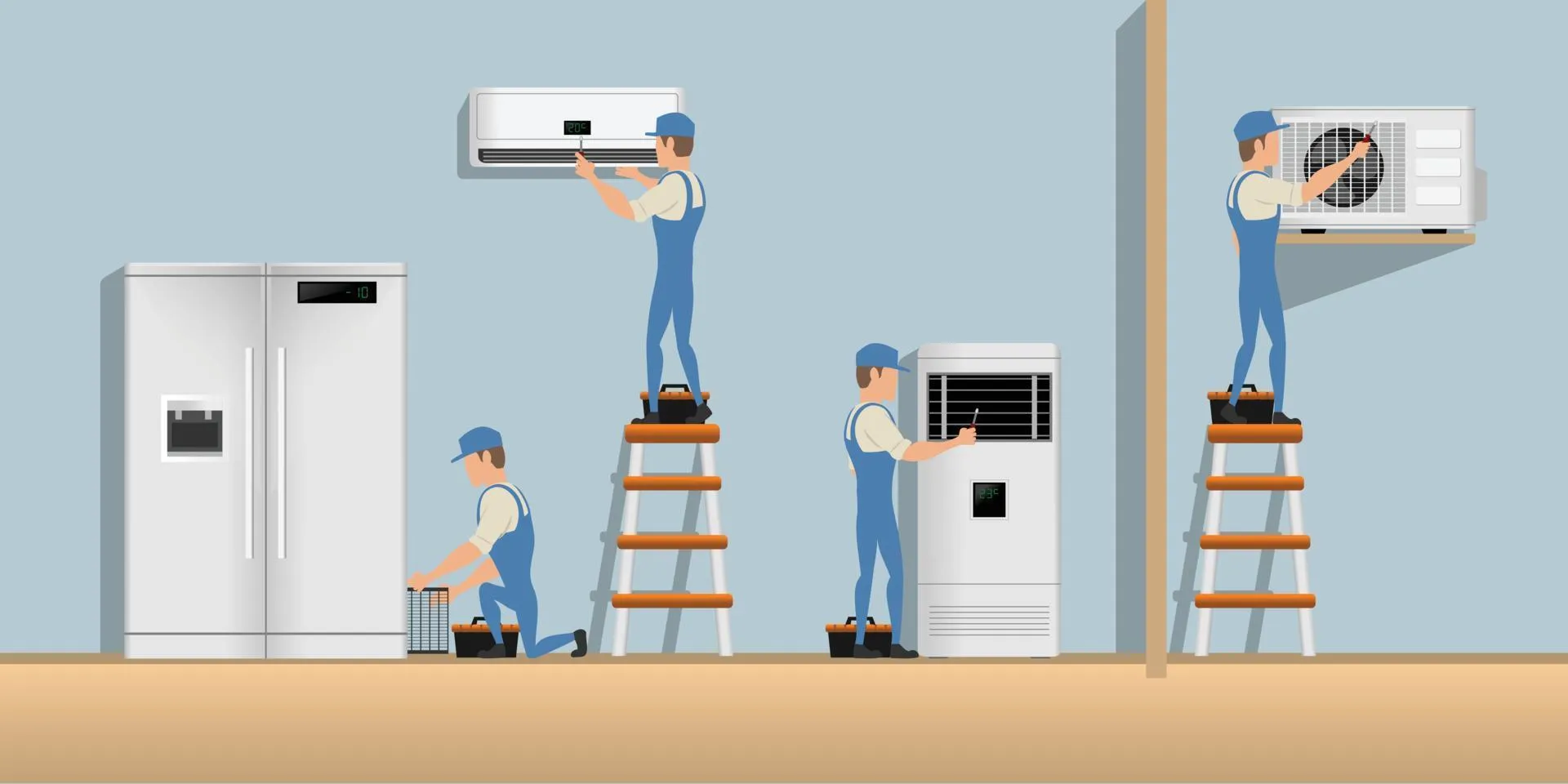
To appreciate the work of a technician, it helps to understand the components they service. A standard central air conditioning system consists of an indoor evaporator coil and an outdoor condenser unit. During a typical HVAC repair service call, the technician will inspect the refrigerant lines, the expansion valve, and the compressor. If any of these parts are compromised, the heat exchange process fails, leaving you with a humid and uncomfortable home.
Heating components are equally complex, involving burners, heat exchangers, and pilot lights in gas systems, or heating elements in electric furnaces. A technician must ensure that the combustion process is clean and that all exhaust gases are being properly vented outside. Understanding these parts allows you to ask better questions when a technician provides a quote for repairs.
4. Emergency HVAC Repair Service: When Every Minute Counts
Some repairs simply cannot wait until Monday morning. An emergency HVAC repair service is necessary when temperatures reach extreme highs or lows that pose a risk to vulnerable individuals, such as the elderly or infants. In the dead of winter, a broken furnace can lead to frozen pipes, resulting in thousands of dollars in water damage. Similarly, during a heatwave, a lack of cooling can lead to heat exhaustion.
Reputable companies offer 24/7 emergency support to address these critical situations. When you call for emergency help, be prepared to describe the symptoms clearly so the technician can bring the necessary parts. While emergency rates may be higher, the cost is often justified by the prevention of secondary damage to your home’s infrastructure and the restoration of a safe living environment.
5. The Diagnostic Process: How Technicians Find the Fault
A professional HVAC repair service starts with a systematic diagnostic process. Technicians don't just guess; they use specialized tools like multimeters to check electrical continuity and pressure gauges to measure refrigerant levels. They will often start at the thermostat to ensure it is sending the correct signals to the control board, then move to the physical unit to inspect the mechanical operations.
Step-by-Step Diagnostic Routine:
- Thermostat Calibration: Verifying that the brain of the system is functioning.
- Electrical Inspection: Checking for frayed wires, blown fuses, or failed capacitors.
- Mechanical Testing: Assessing the fan motor, blades, and compressor.
- Airflow Analysis: Checking filters and ductwork for obstructions.
Once the fault is identified, the technician should provide a detailed report. This transparency is a hallmark of a high-quality HVAC repair service, ensuring you aren't paying for unnecessary parts or labor.
6. Repair vs. Replace: Making the Financial Choice
One of the most difficult parts of a HVAC repair service visit is hearing that your system is nearing the end of its life. Generally, if a repair costs more than 50% of the price of a new unit, or if the system is over 15 years old, replacement is the more economical long-term choice. Newer models offer significantly higher SEER (Seasonal Energy Efficiency Ratio) ratings, which can lower your monthly power bills enough to offset the installation cost over time.
However, if your system is relatively young and the repair is a standard part replacement, like a capacitor or a fan belt, sticking with a repair is the way to go. A skilled technician can help you weigh the "repair vs. replace" dilemma by providing a projected lifespan for your current equipment after the fix is applied.
7. The Role of Maintenance in Preventing Repairs
The best way to handle an HVAC repair service is to avoid the need for one altogether. Regular preventative maintenance is the "oil change" for your home’s climate system. By scheduling bi-annual tune-ups—once in the spring for the AC and once in the fall for the heater—you can catch small issues before they escalate. During these visits, technicians clean the coils, lubricate moving parts, and tighten electrical connections.
Benefits of a Maintenance Plan:
- Extended Equipment Life: Systems that run smoothly last years longer than neglected ones.
- Lower Energy Consumption: Clean systems require less power to move air.
- Warranty Compliance: Many manufacturers require proof of regular maintenance to honor parts warranties.
Investing in a maintenance agreement with your local HVAC repair service provider often includes perks like priority scheduling and discounts on parts, making it a proactive financial move.
8. Ductwork and Air Quality: Beyond the Unit
Sometimes, the problem isn't the heater or the air conditioner itself, but the "veins" of the house—the ductwork. A comprehensive HVAC repair service should include an inspection of the ducts. Leaky or uninsulated ducts can lose up to 30% of the conditioned air before it ever reaches your rooms. This forces your system to work harder, leading to premature wear and tear.
Furthermore, dirty ducts can circulate dust, pollen, and pet dander throughout your home. If you suffer from allergies, your HVAC repair service might recommend duct cleaning or the installation of an UV air purifier within the system. These additions help kill bacteria and mold spores, ensuring that the air being moved by your repaired system is as healthy as it is comfortable.
9. Choosing the Right HVAC Repair Company
Not all service providers are created equal. When searching for a HVAC repair service, it is vital to check for licensing, insurance, and NATE (North American Technician Excellence) certification. These credentials ensure that the person working on your expensive equipment has undergone rigorous training and adheres to industry safety standards.
Questions to Ask Your Provider:
- Are you licensed and insured in this state?
- Do you offer written estimates before starting work?
- What kind of warranty do you provide on labor and parts?
- Do you have experience with my specific brand of equipment?
Reading online reviews and asking for references can also provide insight into the company's reliability and customer service. A trustworthy HVAC repair service will be happy to provide this information and won't pressure you into immediate, high-cost decisions.
10. Technology and the Future of HVAC Repair
The industry is evolving rapidly with the integration of smart technology. Modern HVAC repair service often involves diagnosing smart thermostats that can be controlled via smartphone apps. Some high-end systems even feature self-diagnosing software that can alert the homeowner and the repair company to a problem before the temperature in the house even begins to change.
As we move toward more eco-friendly solutions, technicians are also becoming experts in heat pump technology and high-efficiency geothermal systems. These systems require specialized knowledge that differs from traditional gas furnaces. Staying informed about these advancements ensures that when you call for HVAC repair service, you are prepared for the modern, energy-efficient future of home climate control.
Conclusion
Navigating the world of home maintenance can be daunting, but understanding the basics of HVAC repair service empowers you to keep your home comfortable and safe. From recognizing the early warning signs of mechanical failure to choosing a certified professional for an emergency fix, your proactive involvement is key. Remember that your HVAC system is an investment; treating it with regular care and addressing repairs promptly will save you money and stress in the long run.