The Ultimate Guide to Roof Replacement: Everything You Need to Know
A home is often the most significant investment you will ever make, and the roof is its first line of defense against the elements. However, no roof lasts forever. Whether due to age, severe weather, or structural wear, a roof replacement eventually becomes a necessity for every homeowner. This process can feel overwhelming, involving significant financial investment and complex logistical decisions.
Understanding the nuances of the replacement process is crucial for ensuring the longevity of your home and the safety of your family. From selecting the right materials to finding a reputable contractor, every step requires careful consideration. This comprehensive guide will walk you through the entire lifecycle of a roofing project, providing the insights needed to navigate the journey from the first leak to a brand-new, durable overhead structure.
1. Recognizing the Signs: When Is It Time for a Roof Replacement?
Recognizing the early warning signs of a failing roof can save you from catastrophic water damage and expensive structural repairs. While some issues can be solved with a simple patch, others indicate that the system has reached the end of its service life. One of the most obvious indicators is age; if your asphalt shingle roof is over 20 years old, it is likely nearing its expiration date, even if it looks functional from the ground.
Inside your home, look for dark spots on ceilings, peeling paint, or dampness in the attic, which suggest a compromised roof deck. Outside, inspect your gutters for an accumulation of granules—these are the "sand" from shingles that protect them from UV rays. If the granules are washing away, the shingles will become brittle and crack. Additionally, look for "cupping" or "clawing" shingles, which are clear signs of terminal weathering.
Key Indicators to Watch For:
- Curled or buckled shingles: Indicates the material is no longer shedding water effectively.
- Missing shingles: Leaves the underlayment exposed to direct sunlight and rain.
- Daylight in the attic: If light gets in, water will too.
- Sagging roofline: A sign of serious structural issues or rotting wood.
2. Exploring Your Options: Choosing the Right Roofing Materials
Selecting the right roofing material is a balance between aesthetics, durability, and budget. Asphalt shingles remain the most popular choice in North America because they are cost-effective and relatively easy to install. They come in various styles, including 3-tab and architectural shingles, the latter of which provides a more dimensional look and a longer manufacturer warranty.
For homeowners looking for extreme longevity, metal roofing or slate may be better options. Metal roofs are highly reflective, which can lower cooling costs, and they often last 50 years or more. While the upfront cost is higher, the "cost per year" is often lower than asphalt. If you live in an area prone to wildfires, choosing Class A fire-rated materials like clay tiles or treated metal is a vital safety consideration.
Popular Material Comparisons:
- Asphalt Shingles: Affordable, versatile, 15–30 year lifespan.
- Metal (Steel/Aluminum): Durable, energy-efficient, 40–70 year lifespan.
- Cedar Shakes: Natural beauty, requires high maintenance, 20–30 year lifespan.
- Slate/Tile: Extremely heavy, fireproof, can last 100+ years.
3. Budgeting for Success: Understanding Roof Replacement Costs
The cost of a roof replacement is influenced by several variables, ranging from the size of your home to the complexity of the roof's design. Roofing is typically priced by the "square," which is a 10-foot by 10-foot area (100 square feet). Labor costs usually account for a significant portion of the total estimate, often ranging from 40% to 60% of the total price.
Beyond materials and labor, homeowners must account for disposal fees and potential structural repairs. If the underlying plywood (sheathing) is rotted, it must be replaced before the new shingles are laid. Furthermore, high-pitched roofs or those with multiple chimneys and dormers require more time and specialized safety equipment, which will naturally drive up the total project cost.
Potential Hidden Costs:
- Decking Repair: Replacing rotted plywood sheets.
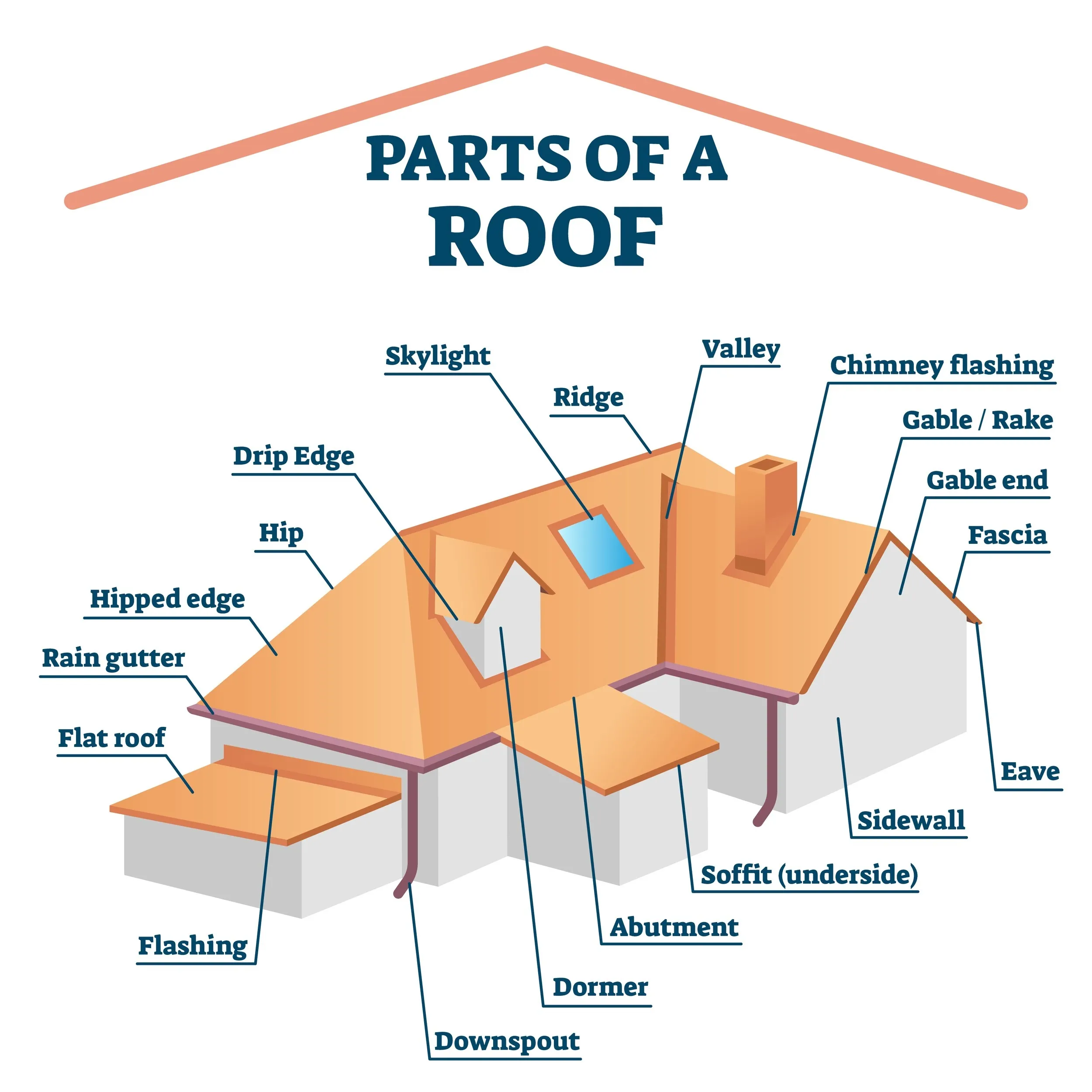
- Flashing: Replacing the metal strips around chimneys and vents.
- Permits: Local government fees for construction.
- Venting Improvements: Adding ridge vents or soffit vents for better airflow.
4. Selecting the Right Professional: Hiring a Roofing Contractor
Your roof is only as good as the team that installs it. Hiring a qualified roofing contractor is perhaps the most important decision in this process. You should always look for a contractor who is licensed, bonded, and carries both general liability and workers' compensation insurance. Requesting a list of local references and checking online reviews can provide a clearer picture of their reliability and craftsmanship.
When reviewing bids, don't automatically go for the lowest price. A significantly lower bid might indicate that the contractor is cutting corners, using inferior materials, or lacks proper insurance. A professional roofing estimate should be detailed, outlining the scope of work, the specific materials to be used, the estimated timeline, and the payment schedule.
Questions to Ask Your Contractor:
- Are you a certified installer for the specific shingle manufacturer?
- Will you provide a written contract and a workmanship warranty?
- How will you protect my landscaping and driveway during the tear-off?
- Do you handle the permit process with the local building department?
5. Navigating the Legalities: Permits and Homeowners Insurance
Before a single shingle is removed, you must ensure that all legal and financial protections are in place. Most municipalities require a building permit for a full roof replacement to ensure the work meets local building codes. This is particularly important for wind-prone or high-snowfall areas where specific fastening patterns or ice-and-water shields are legally mandated.
If your roof was damaged by a storm, you may be eligible for a roofing insurance claim. Contact your insurance provider to have an adjuster inspect the damage. It is often helpful to have your contractor present during this inspection to ensure all damage is documented. Keep in mind that "wear and tear" is rarely covered, but "sudden and accidental" damage—like hail or fallen trees—usually is.
6. Getting Ready: Preparing Your Home for Construction Day
A roofing project is a major construction event that will transform your property into a temporary job site. To ensure the process goes smoothly, you need to prepare both the interior and exterior of your home. The vibration from hammers and nail guns can travel through the walls, potentially knocking pictures off hooks or causing dust to fall from the ceiling. It is wise to remove valuables from the top floor and attic.
Outside, your roofing crew will need space for a dumpster and heavy machinery. Move your cars to the street to prevent them from being blocked in or damaged by falling debris. Clear your yard of patio furniture, grills, and potted plants. If you have a sprinkler system or delicate landscaping, point them out to the foreman so they can be protected with plywood or tarps.
Preparation Checklist:
- Vehicles: Move cars out of the garage and driveway.
- Wall Decor: Secure or remove mirrors and framed art.
- Pets/Children: Prepare for high noise levels; consider a day trip.
- Access: Ensure the contractor has access to an outdoor power outlet.
7. The Main Event: The Step-by-Step Installation Process
The actual installation process usually takes between one and three days, depending on the size of the roof and the weather. It begins with the "tear-off," where the old shingles and underlayment are stripped down to the wood deck. This is the messiest part of the job, but it is necessary to inspect the wood for rot or damage that was hidden from view.
Once the deck is prepped, the crew installs the "drip edge" and the underlayment, which acts as a secondary water barrier. In areas prone to leaks, such as valleys and around chimneys, an ice-and-water shield is applied. Finally, the new shingles are installed, starting from the bottom and working upward. Professional installers use specific nailing patterns to ensure the shingles remain secure during high winds.
The Layers of a New Roof:
- Roof Deck: The structural wood base.
- Ice and Water Shield: A self-adhesive waterproof membrane.
- Underlayment: Synthetic or felt paper for moisture protection.
- Flashing: Metal protection for joints and edges.
- Shingles/Tiles: The visible, primary weather barrier.
8. Post-Project Protocol: Cleanup and Final Inspection
After the last nail is driven, the roofing company must perform a thorough cleanup. A quality crew will use a "magnetic sweep" to pick up stray nails from your lawn and driveway. They should also clear the gutters of any debris and haul away the old roofing materials. A messy job site at the end of the day is often a sign of poor professional standards.
The final step is the post-installation inspection. You and the project manager should walk the perimeter of the house to ensure the shingles look uniform and the flashing is properly tucked. If a permit was required, a local building inspector will also need to sign off on the work to ensure it complies with safety regulations. Only after you are fully satisfied and the inspections are passed should the final payment be released.
9. Protecting Your Investment: Maintenance After Replacement
A new roof is a significant investment, and proactive roof maintenance is the best way to ensure it reaches its full lifespan. You should inspect your roof at least twice a year—ideally in the spring and fall. Look for debris like branches or leaves that can trap moisture against the shingles. Keeping your gutters clean is also vital; clogged gutters can lead to water backing up under the shingles, causing rot.
Pay attention to overhanging tree limbs. Branches that rub against the roof can strip the protective granules off shingles or even puncture the roofing membrane. It is recommended to keep trees trimmed at least ten feet away from the roofline. If you notice moss or algae growth, have it professionally cleaned using "soft wash" methods rather than high-pressure power washing, which can damage the shingle integrity.
Maintenance Tips for Homeowners:
- Clean Gutters: Do this at least twice a year to prevent water dams.
- Check Flashings: Ensure metal seals around vents remain watertight.
- Remove Debris: Don't let wet leaves sit on your shingles.
- Monitor Attic Ventilation: Good airflow prevents shingles from "baking" in the summer.
10. Long-Term Value: Warranty, ROI, and Resale
A roof replacement offers one of the highest returns on investment (ROI) of any home improvement project. According to industry data, homeowners can often recoup 60% to 70% of the cost in increased home value. Furthermore, a new roof is a massive selling point; buyers are often wary of homes that will soon require a five-figure roofing expense, so a new installation provides peace of mind that speeds up the sale.
Finally, ensure you understand your warranty coverage. There are typically two types: the manufacturer's warranty (covering defects in the material) and the contractor's workmanship warranty (covering errors in installation). Make sure you receive all warranty documentation and store it in a safe place. Some high-end warranties are even transferable to the next homeowner, further increasing your home's resale value.
Conclusion
In conclusion, a roof replacement is a complex but rewarding endeavor that safeguards your home’s structural integrity and aesthetic appeal. By recognizing the early signs of failure, choosing high-quality materials, and hiring a reputable contractor, you can transform a stressful necessity into a long-term asset. While the process involves significant preparation and financial commitment, the peace of mind that comes with a secure, dry, and energy-efficient home is well worth the effort.
Remember that the success of your new roof doesn't end on the day of installation. Diligent maintenance and a clear understanding of your warranty will ensure that your investment protects your family for decades to come. Whether you are dealing with storm damage or simply modernizing an aging property, a professional roofing system is the ultimate upgrade for any homeowner.