Understanding Allergies: From Ancient Observations to Modern Immunology
An allergy is more than just a seasonal nuisance; it is a complex biological error where the immune system overreacts to a typically harmless substance. For millions of people worldwide, a simple walk in the park or a specific meal can trigger a cascade of internal defenses, leading to symptoms ranging from mild sneezing to life-threatening anaphylaxis. Understanding the mechanics of these reactions is the first step toward effective management and long-term relief.
1. The Historical Perspective: How We Discovered Allergies
The concept of hypersensitivity is not a modern phenomenon, though our scientific understanding of it is relatively recent. Ancient records from Egypt describe the death of Pharaoh Menes following a wasp sting, likely the first recorded case of anaphylactic shock. However, it wasn't until 1906 that the Austrian pediatrician Clemens von Pirquet coined the term allergy, deriving it from the Greek words allos (meaning "other") and ergon (meaning "work") to describe an altered reactivity of the body.
Throughout the early 20th century, researchers began to distinguish between protective immunity and harmful allergic reactions. The discovery of Immunoglobulin E (IgE) in the 1960s was the "holy grail" of allergy research, providing the biological link between an environmental allergen and the body’s inflammatory response. This historical journey from observation to molecular biology has paved the way for the precision medicine we use today to treat atopic conditions.
2. The Biological Mechanism: What Happens Inside the Body
When a person with an allergy encounters a trigger, their body treats the substance—be it pollen, dust mites, or peanut protein—as a dangerous invader. This process begins with sensitization, where the immune system identifies the substance and produces specific IgE antibodies. These antibodies attach themselves to mast cells, which are found in large numbers in the skin, lungs, and nose, essentially "arming" the body for a future encounter.
Upon a second exposure, the allergen binds to the IgE on the mast cells, causing them to burst open and release histamine and other inflammatory chemicals. This sudden chemical release is what causes the classic symptoms of an allergic reaction, such as swelling, itching, and mucus production. To visualize this process, it helps to think of the body as a high-security building where the immune system accidentally triggers a fire alarm because of a harmless waft of perfume.
3. Common Environmental Triggers: The Air We Breathe
The most prevalent type of allergy is allergic rhinitis, often triggered by aeroallergens. These microscopic particles circulate in the air and are easily inhaled. Common culprits include:
- Pollen: Derived from trees, grasses, and weeds.
- Mold Spores: Fungi that thrive in damp, indoor and outdoor environments.
- Pet Dander: Microscopic skin flakes from cats, dogs, and birds.
Indoor environments can be just as problematic as the outdoors. Dust mites, tiny arachnids that live in bedding and carpets, are a leading cause of year-round asthma and nasal congestion. Their waste products contain proteins that are highly allergenic. Managing these triggers often requires a combination of high-efficiency HEPA filters, frequent cleaning, and maintaining low indoor humidity to discourage mold and mite growth.
4. Food Allergies: Navigating the Plate
While environmental allergies are frustrating, food allergies carry a higher risk of severe systemic reactions. In a food-allergic individual, the digestive system and immune system collide. Even trace amounts of a food can trigger a reaction. While any food can theoretically cause an allergy, the "Big Eight" account for about 90% of all reactions:
- Peanuts and Tree Nuts
- Milk and Eggs
- Fish and Shellfish
- Soy and Wheat
Managing Cross-Contamination
For those with severe food hypersensitivity, "may contain" labels on packaging are a vital warning. Cross-contact occurs when an allergen is inadvertently transferred from one food to another during processing or cooking. This makes dining out a significant challenge, requiring constant communication with restaurant staff to ensure that utensils and cooking surfaces are thoroughly cleaned.
5. Skin Conditions: Eczema and Contact Dermatitis
Allergies often manifest on our largest organ: the skin. Atopic dermatitis, commonly known as eczema, is a chronic inflammatory condition frequently linked to other allergic issues like hay fever. In people with eczema, the skin barrier is "leaky," allowing allergens and irritants to penetrate more easily, causing intense pruritus (itching) and redness.
Contact dermatitis, on the other hand, is a localized reaction caused by direct contact with a substance. This is often seen with nickel in jewelry, fragrances in soaps, or the oils in poison ivy. Unlike the immediate reaction of a food allergy, skin allergies can be delayed-type hypersensitivity, appearing 24 to 48 hours after exposure. Treatment usually involves identifying the trigger through patch testing and using topical corticosteroids to calm the inflammation.
6. The Severity Spectrum: From Sneezing to Anaphylaxis
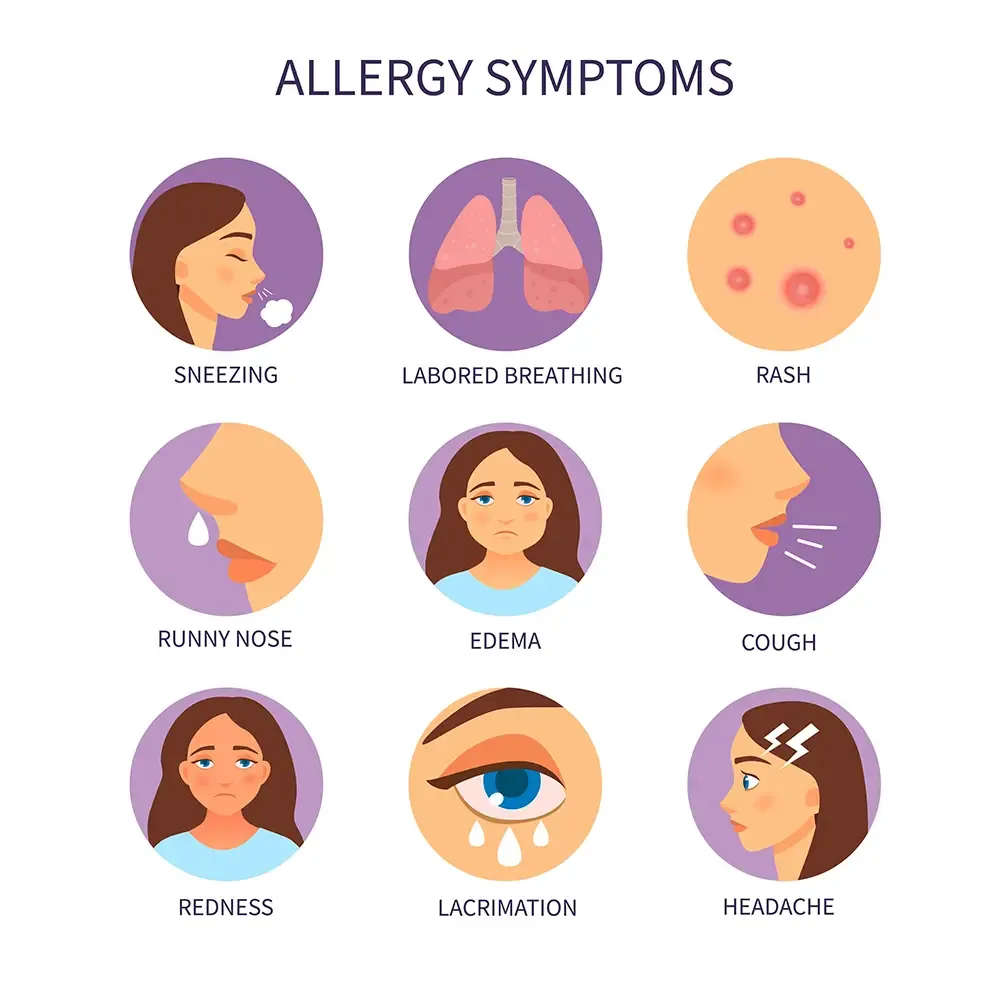
Not all allergic reactions are created equal. Most people experience mild to moderate symptoms, such as watery eyes, sneezing, or a localized hives (urticaria) outbreak. These are uncomfortable but rarely dangerous. However, the most severe form of an allergic reaction is anaphylaxis, a medical emergency that involves multiple organ systems and can lead to respiratory failure or circulatory collapse.
Recognizing Anaphylaxis
Anaphylaxis requires immediate intervention with epinephrine. Key warning signs include:
- Difficulty breathing or wheezing.
- Swelling of the tongue or throat.
- A sudden drop in blood pressure (feeling faint or dizzy).
- Rapid or weak pulse.
If a person has a known severe allergy, carrying an epinephrine auto-injector (like an EpiPen) is a literal lifesaver. This medication works by constricting blood vessels and relaxing the muscles in the airways, buying precious time until the patient can receive professional emergency medical care.
7. Diagnostic Methods: How Doctors Identify Triggers
If you suspect you have an allergy, a formal diagnosis by an allergist or immunologist is crucial. The most common diagnostic tool is the skin prick test. During this procedure, a tiny amount of a suspected allergen is placed on the skin, which is then lightly pricked. If a small, itchy bump (a wheal) appears, it indicates a positive sensitivity to that specific substance.
In cases where skin testing isn't possible—perhaps due to a severe skin condition or certain medications—blood tests (such as the RAST or ImmunoCAP) are used. These tests measure the level of specific IgE antibodies in the bloodstream. While highly accurate, these tests must be interpreted alongside a patient's clinical history, as a positive test doesn't always mean a person will have a physical reaction in the real world.
8. Pharmacological Treatments: Relief in a Pill
Modern medicine offers a wide array of options to manage allergy symptoms. The first line of defense is usually antihistamines, which block the effects of the histamine released during a reaction. Newer, non-sedating antihistamines allow patients to manage their symptoms without the drowsiness associated with older generations of the drug.
Types of Allergy Medications
- Nasal Corticosteroids: The gold standard for treating nasal congestion and inflammation.
- Decongestants: Provide short-term relief for a stuffy nose but should not be used long-term.
- Leukotriene Inhibitors: Often used for both asthma and allergic rhinitis.
- Mast Cell Stabilizers: Prevent the release of inflammatory chemicals before they start.
For those with allergic asthma, bronchodilators and inhaled steroids are essential for keeping the airways open and reducing the risk of a flare-up. It is important to consult a healthcare provider to create a personalized allergy action plan that combines these medications for the best results.
9. Immunotherapy: Training the Immune System
While medications treat the symptoms, immunotherapy is the only treatment that addresses the underlying cause of the allergy. Often called "allergy shots," Subcutaneous Immunotherapy (SCIT) involves injecting gradually increasing doses of an allergen over several years. This process desensitizes the immune system, eventually leading to immunological tolerance.
A newer alternative is Sublingual Immunotherapy (SLIT), where the allergen is administered via tablets or drops under the tongue. This is particularly popular for grass pollen and ragweed allergies. While immunotherapy requires a significant time commitment—often three to five years—the results can be transformative, significantly reducing or even eliminating the need for daily medication and preventing the development of asthma in children.
10. Living with Allergies: Prevention and Future Outlook
The most effective way to manage an allergy remains avoidance. This might mean using allergen-proof covers on mattresses, checking the pollen count before heading outside, or being the "annoying" person at the dinner table who asks about every ingredient. Education is the cornerstone of safety; knowing how to read labels and recognize early symptoms of a reaction can prevent a crisis.
Looking to the future, research into biologics—medications that target specific parts of the immune system—is showing great promise for severe asthma and eczema. Additionally, "oral immunotherapy" for food allergies is helping children build a safety buffer against accidental exposure. While we may not have a universal "cure" for allergies yet, the combination of preventative strategies and advanced treatments allows most people to live full, active lives despite their sensitivities.
Conclusion
Allergies are a testament to the incredible complexity and occasional fallibility of the human immune system. Whether you are dealing with a seasonal "sniffle" or a life-threatening food hypersensitivity, understanding the biological triggers and the range of available treatments is empowering. By staying informed and working closely with medical professionals, the burden of an allergy can be managed, ensuring that your body’s "false alarms" don’t stand in the way of your quality of life.