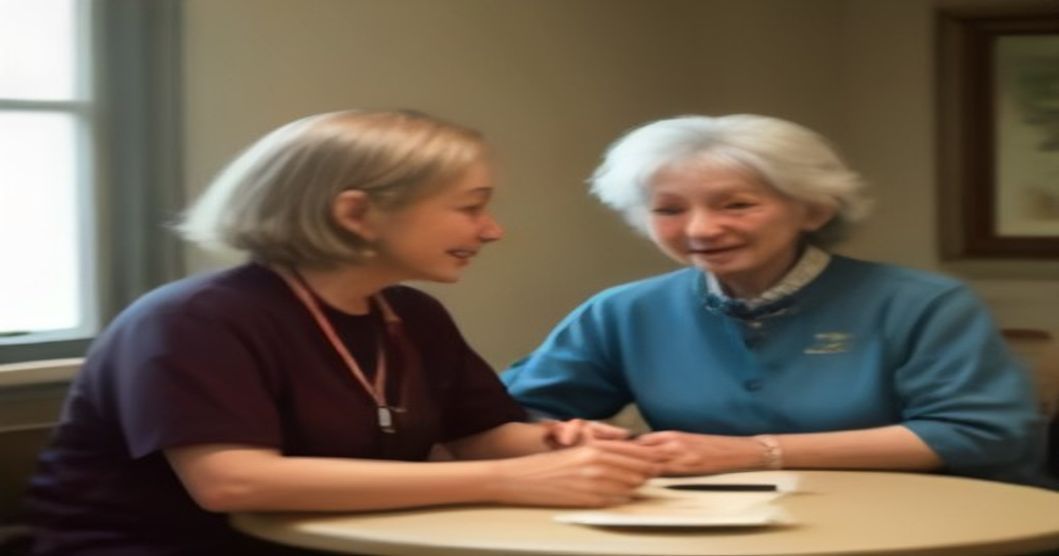
Care Workers: The Unsung Heroes of Assisted Living
Discover the vital role of care workers in assisted living—their daily duties, emotional challenges, and why they deserve more recognition and support.
Who Are the Care Workers in Assisted Living?
Step into any assisted living community, and the first faces you see may not be the director or the nurse—but the care workers. These dedicated professionals, often called direct care workers, caregivers, or resident assistants, provide the hands-on support that makes daily life safer, more comfortable, and more dignified for older adults. They are the backbone of assisted living services, yet they rarely receive the spotlight they deserve.
Care workers help seniors with bathing, dressing, grooming, eating, and mobility. They manage medication reminders, monitor changes in health, and provide companionship. In many ways, they become the extended family that residents rely on every single day. It's a job that demands patience, empathy, and physical stamina—and it's one of the fastest-growing occupations in the country.
What Does a Care Worker Actually Do?
The responsibilities of a care worker go far beyond simple chores. Each day is a delicate balance of routine and flexibility. A typical shift might include:
- Assisting with morning routines, such as getting out of bed, brushing teeth, and getting dressed
- Preparing meals and helping with feeding, when needed
- Administering or reminding residents about medications
- Transferring residents from beds to wheelchairs or chairs safely
- Accompanying residents to activities, meals, or medical appointments
- Providing emotional support and a listening ear during difficult moments
- Reporting any changes in physical or mental status to nursing staff
- Keeping living spaces tidy and ensuring safety around the clock
This list only scratches the surface. Good care workers learn to read each resident as an individual—their preferences, their moods, their life stories. They know when a resident craves conversation and when they need quiet. They notice subtle signs of pain or confusion before a medical issue becomes obvious. In short, they deliver person-centered care that honors the dignity of every older adult.
More Than Just Tasks: The Emotional Side
Being a care worker is emotionally demanding in ways that job descriptions never capture. You form deep bonds with residents, sharing their joys and sorrows. You celebrate their birthdays, listen to memories of a first love, and become a source of comfort when they feel anxious or lonely. And when a resident passes away, the loss is personal.
Care workers often become the bridge between residents and their families. They are the ones who reassure adult children that Mom is okay, or send a text with a sweet photo of Dad laughing during a game of cards. This emotional labor is real and vital. It also brings incredible meaning to the job. Many care workers say the hardest part of their work is also the most rewarding: the human connection.
The Hidden Emotional Toll
Yet that emotional connection comes at a cost. Studies show that care workers experience high rates of stress, anxiety, and burnout. They often care for people with dementia or chronic illnesses, which can be heartbreaking. They may witness decline and loss repeatedly, yet society rarely asks them how they are coping. Without proper support, this emotional weight can lead to compassion fatigue and high turnover—hurting both workers and the residents who depend on them.
The Challenges Care Workers Face
If we are honest, the assisted living industry struggles with how it treats its care workers. Many are paid barely above minimum wage, despite the skill and devotion their job demands. They often work long shifts without adequate breaks, face understaffing, and lack benefits like health insurance or paid sick leave. Turnover rates in some communities exceed 50% annually—a crisis that directly impacts the quality of care.
Physical strain is another major challenge. Lifting, transferring, and supporting residents can take a toll on a worker's own body. Back injuries are common. Without proper training and safe equipment, care workers risk their health just to do their job well. Add to that the psychological stress of working with people who exhibit challenging behaviors—sometimes aggression or confusion—and you start to understand the resilience required.
How Assisted Living Can Better Support Care Workers
The good news is that many assisted living communities are waking up to the need for change. Here are some strategies that make a real difference:
- Fair wages and benefits: Paying care workers a living wage with health insurance and retirement options attracts qualified staff and reduces turnover.
- Staffing ratios: Ensuring there are enough care workers per resident means less rushing, more attention, and safer conditions for everyone.
- Training and advancement: Ongoing education in dementia care, communication, and safe lifting helps workers feel competent and confident.
- Emotional support: Offering grief counseling, peer support groups, and regular check-ins helps workers process the emotional toll.
- Respect and recognition: Simple gestures—saying thank you, celebrating work anniversaries, or including workers in care planning—can boost morale enormously.
When assisted living providers invest in their care workers, everyone wins. Residents receive more consistent, compassionate care. Families have peace of mind. And the workers themselves feel valued and proud of the critical role they play.
The Future of the Care Worker
As the population ages, the demand for care workers will only grow. The U.S. Bureau of Labor Statistics projects that home health and personal care aide jobs will grow much faster than the average occupation over the next decade. This is a reflection of a deeper truth: we need to rethink how we support aging adults and those who care for them.
Technology is also changing the landscape. Wearable devices, smart sensors, and telehealth can assist in monitoring residents, but they cannot replace the warmth of human touch. The future of assisted living will likely be a hybrid—where technology supports the care worker, not the other way around. Human connection, empathy, and judgment will remain irreplaceable.
Policy changes too could elevate the profession. Some states are exploring apprenticeship programs that help care workers earn certifications and build careers. Others are pushing for better wages and training standards. There is a growing recognition that care work is skilled work, and it deserves professional respect.
A Call to Recognize and Support
Care workers do far more than assist with daily tasks. They give older adults the opportunity to live with joy, purpose, and grace. They are often the difference between merely existing and truly living. Yet their contributions are too often invisible in a culture that undervalues caregiving.
As families, we can thank the care workers who look after our loved ones. As employers, we can fight for better wages and working conditions. And as a society, we can tell the story of the care worker—not as a low-skill job, but as a profession that demands heart and skill in equal measure.
The next time you visit an assisted living community, take a moment to look beyond the polished lobby and the friendly activities. Look at the care worker who helps a resident steady a shaky hand while drinking coffee, or who provides a hug during a moment of confusion. That person is a hero. And they deserve our respect, our support, and our gratitude—today and every day.