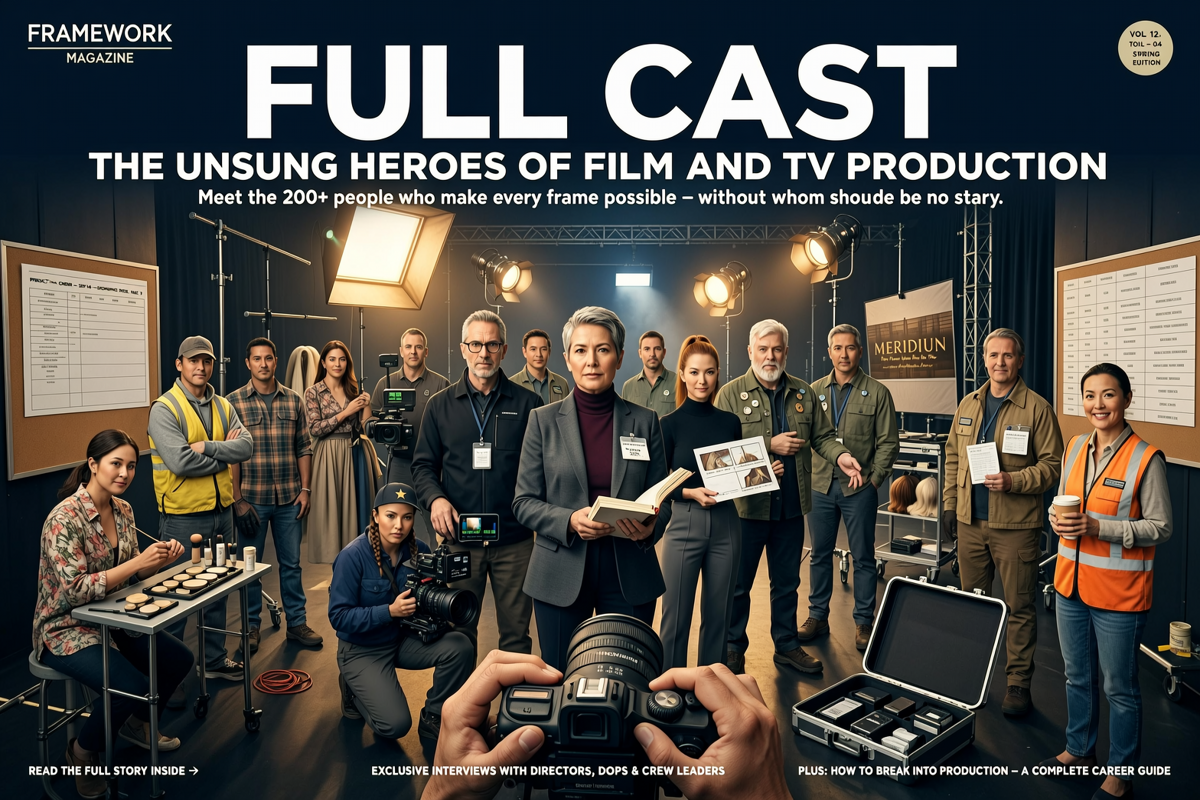
Full Cast: The Unsung Heroes of Film and TV Production
Discover the vital role of 'full cast' temporary jobs in entertainment. From extras to stand-ins, these positions are the backbone of every production.
Introduction: The Invisible Workforce Behind Every Scene
When you watch a movie or TV show, you see the stars. But behind every frame, there's an army of temporary workers who make the magic happen. These are the 'full cast' members—extras, background actors, stand-ins, and day players—who fill the screen and bring scenes to life. In 2025, the demand for these temporary jobs is booming, driven by a surge in content production across streaming platforms and traditional studios. This article explores the world of full cast work, its challenges, rewards, and how you can break into this dynamic industry.
What Is a 'Full Cast' Job?
In film and television production, 'full cast' refers to all the actors required for a scene, including principal actors and background performers. However, in the context of temporary jobs, it typically means roles that are hired on a short-term, per-project basis. These include:
- Background Actors (Extras): They populate scenes—walking down streets, sitting in cafes, or cheering at concerts. They don't speak lines but are essential for realism.
- Stand-Ins: These individuals replace principal actors during lighting and camera setup. They must match the actor's height, build, and coloring.
- Day Players: Actors hired for a single day to play small speaking roles or featured background parts.
- Photo Doubles: Used for shots where the principal actor's face isn't visible, such as from behind or in long shots.
These jobs are often booked through casting agencies or online platforms, and they pay anywhere from minimum wage to hundreds of dollars per day, depending on the role and union status.
Why Full Cast Jobs Matter in 2025
The entertainment industry is experiencing a content explosion. With Netflix, Amazon, Disney+, and Apple TV+ competing for viewers, the number of productions has skyrocketed. According to industry reports, the global film and TV market is projected to reach $300 billion by 2025, driving demand for temporary cast members. Moreover, the rise of virtual production and AI-assisted filmmaking hasn't eliminated the need for human extras—in fact, it has created new niches, such as 'performance capture extras' for CGI characters.
Full cast jobs also offer flexibility. Many people use them as a side hustle to supplement income, while others see them as a stepping stone to larger roles. For students, retirees, and aspiring actors, these positions provide invaluable on-set experience and networking opportunities.
How to Get Hired as Full Cast
Breaking into full cast work is easier than you might think. Here's a step-by-step guide:
1. Register with Casting Agencies
Major agencies like Central Casting, Extra Mile Casting, and local film offices are the primary gatekeepers. Create a profile, upload recent photos, and specify your availability. Many agencies now use apps for job alerts and check-ins.
2. Build a Versatile Look
Producers look for a diverse range of ages, ethnicities, and body types. Wardrobe flexibility is a plus—having a selection of business attire, casual wear, and period costumes can increase your chances.
3. Be Reliable and Professional
On set, punctuality and patience are key. You may be asked to stand for hours or repeat actions multiple times. A positive attitude can lead to repeat bookings and referrals.
4. Understand Union vs. Non-Union
Union jobs (SAG-AFTRA) offer higher pay and benefits but require membership. Non-union work is more accessible for beginners. Some productions are 'open call' and hire both.
Challenges and Rewards
Full cast work isn't glamorous. The hours are long, the pay can be inconsistent, and you might be treated as disposable. However, the rewards are unique: you get to see how movies are made, meet interesting people, and sometimes even interact with A-list stars. Plus, the flexibility allows you to pursue other passions or jobs.
In 2025, technology is also changing the game. Virtual casting platforms and remote auditions have made it easier to find work, but competition remains fierce. Stand-ins, in particular, are in high demand as productions prioritize efficiency.
Conclusion: The Future of Full Cast
As the entertainment industry evolves, full cast jobs will remain essential. Whether you're looking for a temporary gig or a launchpad into acting, these roles offer a unique window into the world of storytelling. So next time you watch a blockbuster, take a moment to appreciate the hundreds of faces in the background—they're the unsung heroes of every scene.