Naproxen Demystified: Your Complete Guide to Smarter NSAID Use
Naproxen is a powerful NSAID for pain and inflammation. Learn how it works, how to use it safely, and how it compares to ibuprofen.
Why Naproxen Deserves a Closer Look
When pain strikes, most people reach for the same familiar bottles: ibuprofen, acetaminophen, or aspirin. But there's another option sitting quietly on pharmacy shelves that often gets overlooked—naproxen. While ibuprofen grabs the spotlight for quick relief, naproxen offers something unique: a longer duration of action that makes it particularly effective for conditions involving persistent inflammation, such as arthritis, menstrual cramps, and sports injuries.
Naproxen belongs to a class of drugs called nonsteroidal anti-inflammatory drugs (NSAIDs). It has been used for decades, but many people still don't fully understand how it works, when to choose it, or how to avoid its potential pitfalls. This guide breaks down everything you need to know about naproxen, from its mechanism of action to practical safety tips.
What Exactly Is Naproxen?
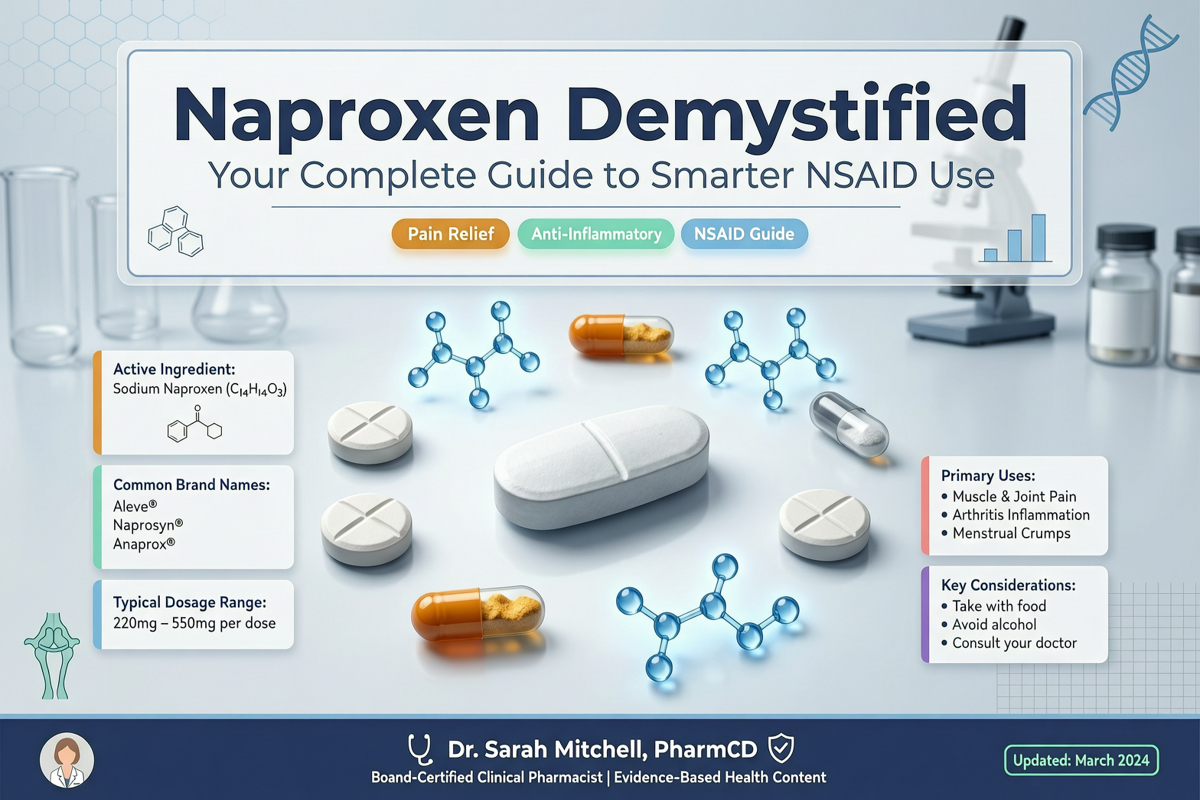
Naproxen is a propionic acid derivative, chemically similar to ibuprofen, but with a longer half-life. That means it stays active in your body for a longer period, allowing for twice-daily dosing in most cases. It is available both over-the-counter (OTC) and by prescription, with prescription doses typically higher for conditions like rheumatoid arthritis or ankylosing spondylitis.
Common brand names you may recognize include Aleve and Naprosyn, but many generic versions exist. It is also sometimes combined with other medications, such as sumatriptan for migraine treatment or esomeprazole to protect the stomach lining.
How Naproxen Works to Fight Pain
Naproxen works by blocking the action of cyclooxygenase (COX) enzymes—specifically COX-1 and COX-2. These enzymes are crucial for producing prostaglandins, lipid compounds that promote inflammation, pain, and fever. By inhibiting COX enzymes, naproxen reduces prostaglandin levels, which in turn decreases swelling and pain at the source.
Unlike acetaminophen, which primarily works in the brain to reduce fever and pain, naproxen acts peripherally in the tissues, making it more effective for inflammation-driven pain. This is a key reason why it's a go-to choice for conditions like tendonitis, bursitis, and osteoarthritis.
One important nuance: because naproxen blocks both COX-1 and COX-2, it can interfere with the protective lining of the stomach and affect blood clotting. That's why it requires more caution than newer, COX-2-selective drugs, but those are not available OTC in many countries.
Top Uses for Naproxen
Naproxen is versatile, but it is not the right choice for every kind of pain. Here are the conditions where it excels:
- Arthritis and joint pain: Both osteoarthritis and rheumatoid arthritis respond well to naproxen because inflammation is a central driver.
- Menstrual cramps (dysmenorrhea): The drug's long half-life means a single morning dose can control pain through the school or workday.
- Musculoskeletal injuries: Sprains, strains, and tendonitis benefit from naproxen's anti-inflammatory action during the acute healing phase.
- Lower back pain: Many clinical guidelines list naproxen as an effective option for acute low back pain.
- Dental pain: Post-procedure inflammation is often managed with naproxen, though it's not a substitute for antibiotics or other dental care.
- Migraine: In combination with other drugs, naproxen can be part of a rescue strategy for acute migraine attacks.
Because naproxen lasts longer in the system, it is often preferred for chronic conditions that require continuous pain control, rather than for sudden, short-lived headaches.
Naproxen vs. Ibuprofen: Key Differences
Most people know ibuprofen better, and the two drugs share many similarities. But their differences matter when choosing between them.
Duration of action is the most striking difference. Ibuprofen lasts about 4 to 6 hours, so it typically needs to be taken every 6 to 8 hours. Naproxen lasts 8 to 12 hours, enabling twice-a-day dosing. For overnight pain control or all-day relief, naproxen wins.
Onset of action favors ibuprofen. Ibuprofen is absorbed faster, so it can start working within 20-30 minutes, while naproxen can take up to an hour for full effect. If you need rapid relief, ibuprofen may be better.
Stomach side effects: Both can irritate the stomach, but some studies suggest naproxen has a slightly higher risk of gastrointestinal bleeding, especially at higher doses. However, the actual risk depends heavily on your age, medical history, and whether you take other blood-thinning medications.
Cardiovascular risk: NSAIDs, including naproxen, carry some cardiovascular risk, but evidence suggests naproxen has a relatively favorable profile compared to high-dose ibuprofen or diclofenac. Still, no NSAID is risk-free for the heart.
So, which should you choose? If you need quick pain relief in a single dose, ibuprofen is practical. If you have all-day inflammation, such as arthritis or tendinitis, naproxen is often more convenient and may lead to better compliance because you take it less often.
How to Take Naproxen Safely
Naproxen is not a drug to take casually. It requires attention to dose and timing to reduce risks.
For OTC use, the typical dose is 200 to 250 mg every 8 to 12 hours, depending on the formulation. Do not exceed 500 mg in a 12-hour period or 750 mg in 24 hours unless directed by a doctor. Take it with food or milk to minimize stomach irritation. Avoid lying down for at least 10 minutes after taking the pill.
If you have kidney disease, a history of stomach ulcers, or are over 65, talk to your doctor before using naproxen. You may need a lower dose or a gastroprotective drug like a proton pump inhibitor.
Potential Side Effects and Red Flags
Common side effects include heartburn, nausea, dizziness, and mild fluid retention. These are often tolerable, but you should stop taking naproxen and seek medical help if you experience signs of a severe reaction:
- Black or tarry stools (indicating gastrointestinal bleeding)
- Chest pain or shortness of breath
- Swelling in the face or limbs (fluid retention or kidney problems)
- Skin rash or itching (possible allergic reaction)
- Sudden severe headache or vision changes (elevated blood pressure)
The risk of serious side effects increases with long-term use. If you rely on naproxen for more than 10 consecutive days for pain, see a healthcare professional. For chronic conditions, the lowest effective dose for the shortest duration is the golden rule.
Interactions and Precautions
Naproxen interacts with several other medications. It can increase the risk of bleeding when taken with warfarin, clopidogrel, or even aspirin. It may reduce the effectiveness of certain blood pressure medications, especially ACE inhibitors, ARBs, and diuretics. It also can elevate lithium and methotrexate levels, leading to toxicity.
Alcohol use significantly raises the risk of stomach bleeding when combined with naproxen. If you drink alcohol, keep it to a minimum while taking this drug. Also, avoid taking naproxen with other NSAIDs, including ibuprofen, diclofenac, or prescription COX-2 inhibitors, since that magnifies side effects without added benefit.
Pregnant women, especially in the third trimester, should not use naproxen because it can harm the fetal cardiovascular system. It also passes into breast milk, so nursing mothers need to consult a doctor first.
Bottom Line: Naproxen Is a Tool, Not a Miracle
Naproxen is an effective, time-tested anti-inflammatory that fills a specific niche. Its long duration makes it a favorite for chronic inflammatory conditions, and unlike some other NSAIDs, it is affordable and widely available. Yet its power comes with responsibility. Always read labels carefully, respect dosing intervals, and never ignore persistent pain.
If you have ongoing pain that requires daily use, do not rely solely on over-the-counter naproxen. Work with a healthcare professional to identify the underlying cause and discuss whether naproxen is part of a comprehensive treatment plan. Used wisely, naproxen can be your ally—and help you get back to life.