Walgreens' New Prescription: Health, Convenience, and Digital Care
Explore how Walgreens is transforming from a traditional pharmacy into a comprehensive health hub, blending digital tools, in-store clinics, and personalized care in 2025.
The Evolution of Walgreens: From Drugstore to Health Hub
For decades, Walgreens has been a household name for prescriptions, toiletries, and photo printing. But in 2025, the pharmacy giant is pivoting hard toward a future where it serves as a frontline healthcare destination. With the integration of digital tools, expanded clinical services, and strategic partnerships, Walgreens aims to redefine what a pharmacy can be. This article explores the key trends shaping Walgreens' transformation and what they mean for consumers and the healthcare system.
The Rise of the Health Hub
Walgreens is no longer just a place to pick up medication. Through its partnership with VillageMD and other healthcare providers, the chain has opened hundreds of co-located primary care clinics within its stores. These clinics offer routine checkups, chronic disease management, and preventive care, making healthcare more accessible. In 2025, Walgreens plans to expand this model, aiming for over 1,000 clinics nationwide. The goal is to create a seamless experience where patients can see a doctor and fill a prescription in one visit.
Expanded Clinical Services
Beyond primary care, Walgreens is ramping up its specialty pharmacy services, focusing on complex conditions like oncology, immunology, and rare diseases. Pharmacists now play a more active role in medication management, adherence counseling, and lab test monitoring. This shift positions Walgreens as a partner in value-based care, helping improve outcomes while reducing costs for payers and patients alike.
Digital-First Pharmacy Experience
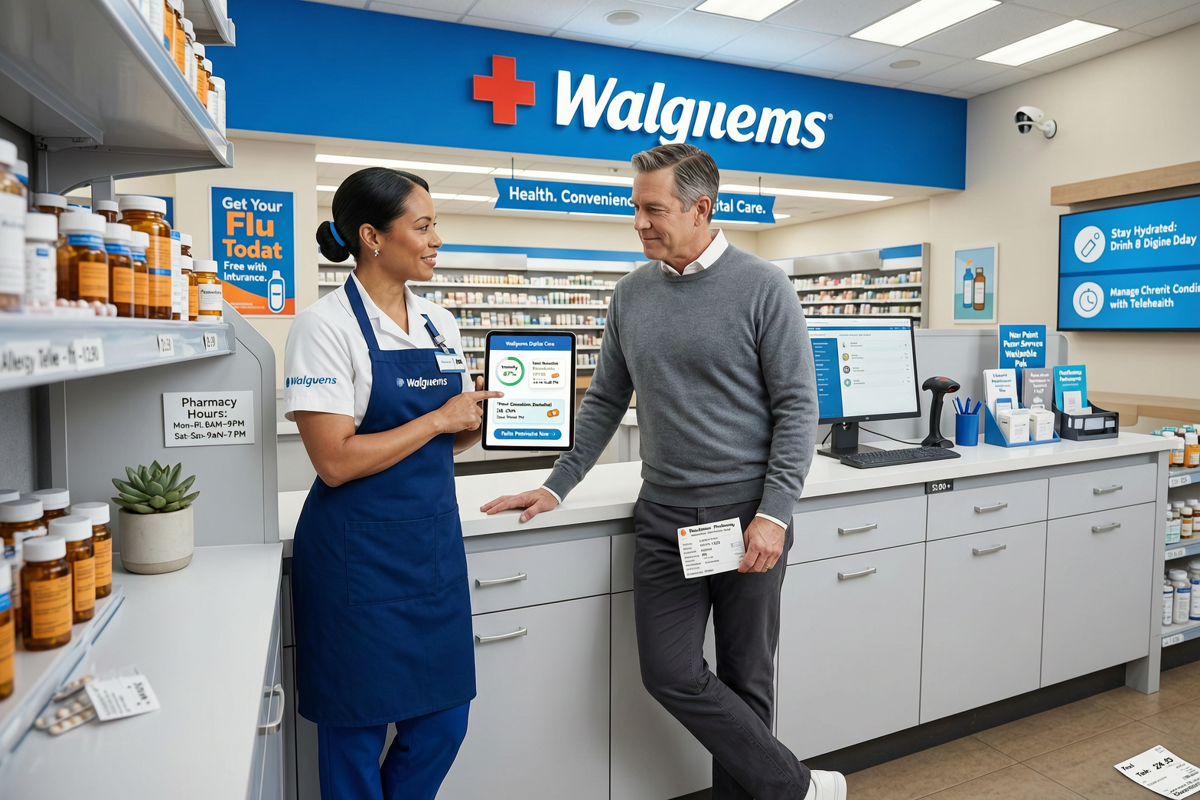
Walgreens has invested heavily in its digital platform, including the Walgreens app and website, to offer a frictionless experience. Features like prescription refills by scan, medication reminders, and virtual consultations with pharmacists have become standard. In 2025, the company introduced AI-driven tools that predict when a patient might need a refill and automatically orders it for same-day pickup or delivery.
Same-Day Delivery and Curbside Pickup
With the rise of on-demand services, Walgreens has expanded its same-day delivery options via partnerships with DoorDash and Uber. Curbside pickup is available at most locations, allowing customers to order online and collect without entering the store. These services are especially valuable for elderly or immunocompromised patients who prefer minimal contact.
Community Health Integration
Walgreens is leveraging its 9,000+ locations to address social determinants of health. In underserved areas, some stores now host community health workers who provide free blood pressure screenings, diabetes education, and vaccination drives. The company also offers mobile health units that reach rural communities. This grassroots approach builds trust and improves health equity.
Vaccination and Preventive Care
Pharmacists at Walgreens are authorized to administer a wide range of vaccines, including flu, shingles, and COVID-19 boosters. In 2025, the chain launched a proactive immunization program that notifies patients when they are due for shots based on their age and health history. This has boosted vaccination rates significantly, particularly among adults aged 50 and older.
Navigating Challenges: Reimbursement and Competition
Despite these innovations, Walgreens faces headwinds. Reimbursement pressures from pharmacy benefit managers (PBMs) continue to squeeze margins on generic drugs. Meanwhile, competitors like CVS Health and Amazon Pharmacy are also vying for the same customers. To stay competitive, Walgreens is focusing on high-margin services like specialty pharmacy and premium delivery options.
Cost Management Strategies
Walgreens has introduced transparent pricing for cash-paying customers through its Prescription Savings Club, and it actively promotes generic alternatives. Additionally, the company is investing in automation and robotics in its fulfillment centers to reduce labor costs and errors. These moves are critical to maintaining profitability while offering affordable care.
The Future of Walgreens Pharmacy
Looking ahead, Walgreens aims to become a 'one-stop health shop.' Plans include integrating mental health services, expanding telehealth capabilities, and leveraging wearable device data to personalize patient care. The company is also exploring pilot programs for direct-to-consumer lab testing and at-home monitoring kits.
In 2025, Walgreens is not just filling prescriptions—it is filling the gaps in the American healthcare system. By combining the convenience of a retail store with the expertise of a clinical provider, it is building a model that could shape the future of community pharmacy. For consumers, this means easier access to care, more personalized service, and a pharmacy that feels less like a dispensary and more like a partner in health.