After Pill Price in 2025: What You Need to Know
Learn about the cost of emergency contraception in 2025, including brand vs. generic options, insurance coverage, and affordable access tips.
Introduction
Emergency contraception, commonly known as the "after pill," is a safe and effective way to prevent pregnancy after unprotected sex or contraceptive failure. In 2025, the price of the after pill varies widely depending on the brand, pharmacy, insurance coverage, and location. This article breaks down the current costs, factors influencing price, and tips for affordable access.
Brand vs. Generic: Cost Differences
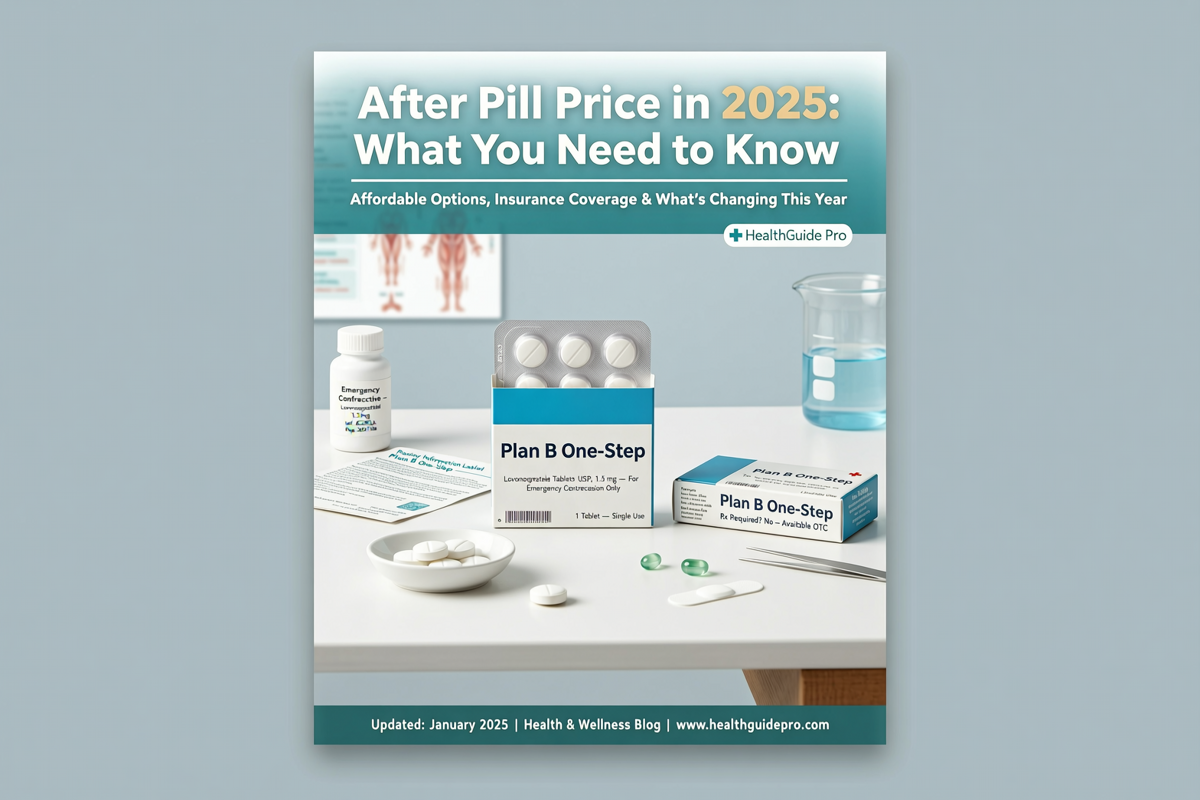
Brand-name emergency contraceptives like Plan B One-Step typically cost between $40 and $50. Generic versions, such as Take Action, My Way, or AfterPill, are often priced $10 to $20 lower, ranging from $20 to $35. The active ingredient in most oral emergency contraceptives is levonorgestrel, which works by delaying ovulation. Generics contain the same active ingredient and are equally effective, making them a budget-friendly choice.
Insurance Coverage in 2025
Under the Affordable Care Act, most insurance plans must cover FDA-approved emergency contraception without a copay or prescription, but this applies only when obtained through a pharmacy that bills insurance. However, some plans may require a prescription for coverage. In 2025, many plans still cover at least one brand or generic option. Check with your insurer or pharmacist to confirm coverage. If uninsured, you may still find low-cost options at community health centers or family planning clinics.
Where to Buy and Price Variations
Prices can differ significantly between pharmacies. Large chains like CVS, Walgreens, and Walmart often have competitive pricing, with generics around $25-$35. Online retailers like Amazon or Nurx may offer lower prices, sometimes under $20, but shipping times vary. Local independent pharmacies may have higher prices, so it pays to shop around. Some states have laws capping the price of emergency contraception; for example, California and New York have introduced price caps at $20.
Over-the-Counter vs. Prescription
Levonorgestrel-based pills are available over-the-counter without age restrictions. Ulipristal acetate (ella) requires a prescription and is more effective up to 120 hours after unprotected sex. Ella costs around $50-$60, but insurance may cover it. For those with a prescription, using a pharmacy discount card can reduce the price.
Affordable Access Programs
Several programs help reduce costs. Planned Parenthood and other family planning clinics offer sliding-scale fees based on income. Some manufacturers have patient assistance programs; for instance, the maker of Plan B offers a coupon for up to $10 off. Additionally, generic brands often have online coupons or savings cards. Public health departments may provide emergency contraception at reduced or no cost.
Price Trends for 2025
In 2025, the price of emergency contraception has remained relatively stable, with slight increases due to inflation. However, increased generic availability and state price caps have kept costs manageable. The introduction of new products, such as over-the-counter ulipristal acetate, could shift pricing in the future. For now, consumers have more affordable options than ever.
Tips for Saving Money
- Compare prices at multiple pharmacies using online tools like GoodRx.
- Ask for the generic version.
- Use manufacturer coupons or discount cards.
- Visit a community health center or Planned Parenthood.
- Check if your insurance covers emergency contraception without a copay.
- Consider ordering online from reputable sources, but ensure they are licensed pharmacies.
Conclusion
The after pill is an essential option for preventing unintended pregnancy, and cost should not be a barrier. With generics, insurance coverage, and assistance programs, affordable access is possible in 2025. Always consult a healthcare provider if you have questions about which type of emergency contraception is right for you.