Revolut Credit Cards: How the Fintech Card Affects Your Credit Score
Revolut's credit card blends app-style budgeting with borrowing. Here's how it reports to credit bureaus and how to use it without denting your score.
Revolut's credit card is not just another app feature
Revolut built its reputation on travel-friendly debit cards and a slick money app. A credit card is a different product: it is a loan you repay, and it can appear on your credit report. That distinction matters. The card may live in the same app as your spending budgets and currency wallets, but the way you use it can help or hurt your credit score.
Availability is the first catch. Revolut issues credit cards in selected markets, and terms vary by country. In some places it is a full credit card with an interest-free period; in others, Revolut's borrowing products work differently. Before you apply, check whether the card is available where you live and read the local terms, not a generic page from another country.
Where the card fits in Revolut's ecosystem
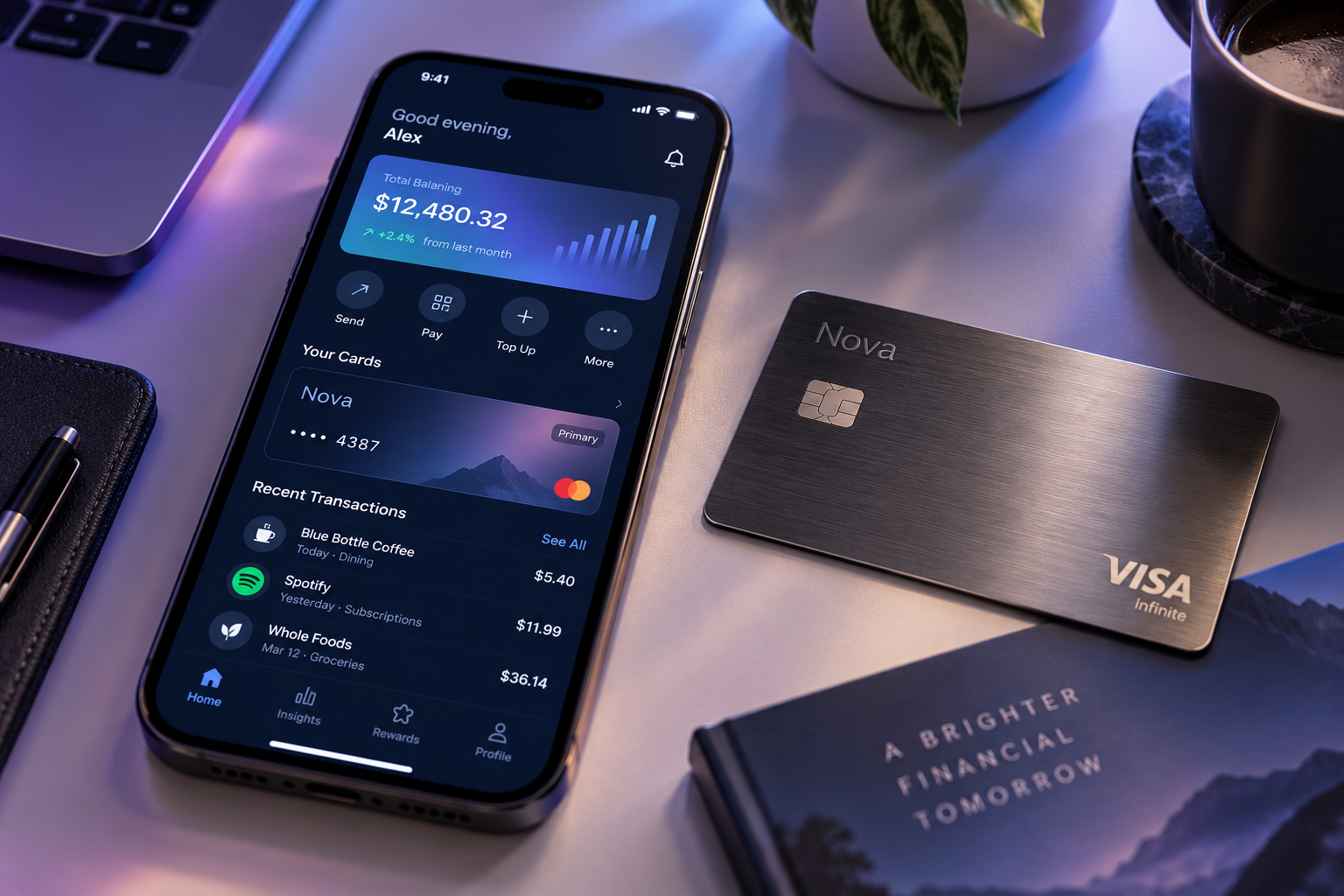
Revolut's appeal is consolidation. You can hold multiple currencies, set spending limits, create virtual cards, and get instant notifications in one place. A Revolut credit card slots into that dashboard, so you see credit spending alongside everyday debit spending.
That convenience has real benefits for credit management. Real-time alerts can catch a forgotten subscription. Category breakdowns make it easier to see whether a balance is creeping up. Virtual cards can be frozen or discarded after one use, which reduces the risk of a stolen number being used for repeat charges.
But app polish is not a credit strategy. A budget view does not lower your interest rate, and a notification does not repair a late payment. The credit report only cares about the basics: whether you borrowed, whether you paid on time, and how much of your limit you used.
How Revolut's credit card reports to credit bureaus
In markets where Revolut issues a credit card, it typically reports the account to the main credit reference agencies, much like a bank card. Reporting usually includes the account opening date, credit limit, current balance, and payment history. Some issuers also report whether you paid the full balance, the minimum, or missed a payment.
That reporting is the credit-building opportunity. A card that reports positive payment history can strengthen a thin credit file. A card that reports a maxed-out balance can make you look riskier, even if you pay in full every month. This is why timing matters: a balance reported just before the statement date can look like debt, even when you clear it days later.
Hard searches and applications
Applying for a credit card usually triggers a hard search, which can leave a short-term mark on your report. Multiple applications in a short window can compound the damage. If Revolut offers an eligibility check, use it before a full application. A soft search does not affect your score in the same way.
What the credit report will not show
Your credit report does not show your app usage, your budgeting discipline, or how often you check your balance. It shows the account and your repayment behaviour. That is why a Revolut card can be a good credit tool only if the boring parts are handled: direct debits, reminders, and a balance you can clear.
How to use a Revolut credit card without hurting your score
- Keep utilisation low. Aim to use well under 30% of your limit, and lower is better. If your limit is small, make an extra payment before the statement date so the reported balance stays modest.
- Pay more than the minimum. Minimum payments protect your score from a missed-payment mark, but they do not protect your wallet. Interest can turn a small purchase into a long-term cost.
- Set up a direct debit for the full balance. Automation beats memory. If the full balance is too much, set a fixed payment you can afford and review it monthly.
- Watch foreign-exchange fine print. Revolut is known for currency features, but credit-card FX terms can differ from debit-card terms. Check whether the credit card charges a markup or cash-advance fee abroad.
- Do not chase limit increases. A higher limit can lower utilisation, but only if you do not spend more. Ask for an increase when you need it, not as a trophy.
- Avoid cash withdrawals. Cash advances often start accruing interest immediately and may carry fees. They can also signal financial stress to some lenders.
The risks and the fine print
Revolut's credit card is still a credit product. Interest rates can be high, especially for applicants with limited credit history. Promotional offers may expire. Rewards may be capped or tied to a paid plan. And because Revolut operates across many countries, customer support and regulatory protections can differ from what you expect at a traditional bank.
There is also the eligibility question. A fintech card may be easier to apply for than a high-street bank card, but that does not mean it is cheaper. Compare the annual fee, APR, foreign transaction fee, and late-payment charge with at least one traditional card. If the Revolut card is your first credit product, treat it as a credit-building tool first and a rewards card second.
Is Revolut right for your credit mix?
Credit scoring models like to see that you can handle different types of borrowing, but you should not open a card just to tick a box. If you already have a credit card with a long history and a clean record, adding a Revolut card may dilute your average account age and add little. If you have a thin file, a card that reports on-time payments can be useful, provided you clear the balance.
The smarter move is to check your credit report before and after applying. Look for the Revolut account, confirm the limit and balance are reported correctly, and dispute errors. A credit report is a record, not a verdict; it can be corrected.
Bottom line
Revolut's credit card is a convenient fintech product with a traditional credit obligation underneath. Its effect on your credit score depends less on the app and more on the basics: a low reported balance, on-time payments, and a clear repayment plan. Use it as a tool for spending visibility and credit building, not as an excuse to carry debt. And check the local terms before you apply, because Revolut's card is not the same product in every market.